Insulation Services in North York, Ontario
North York is dominated by post-war bungalows and side-splits on generous lots — houses built when attic insulation meant a few inches of loose fill and nothing else. Many have been renovated inside without anyone touching the envelope.
Housing stock here
Post-war bungalows and side-splits, with large 1950s–70s subdivisions
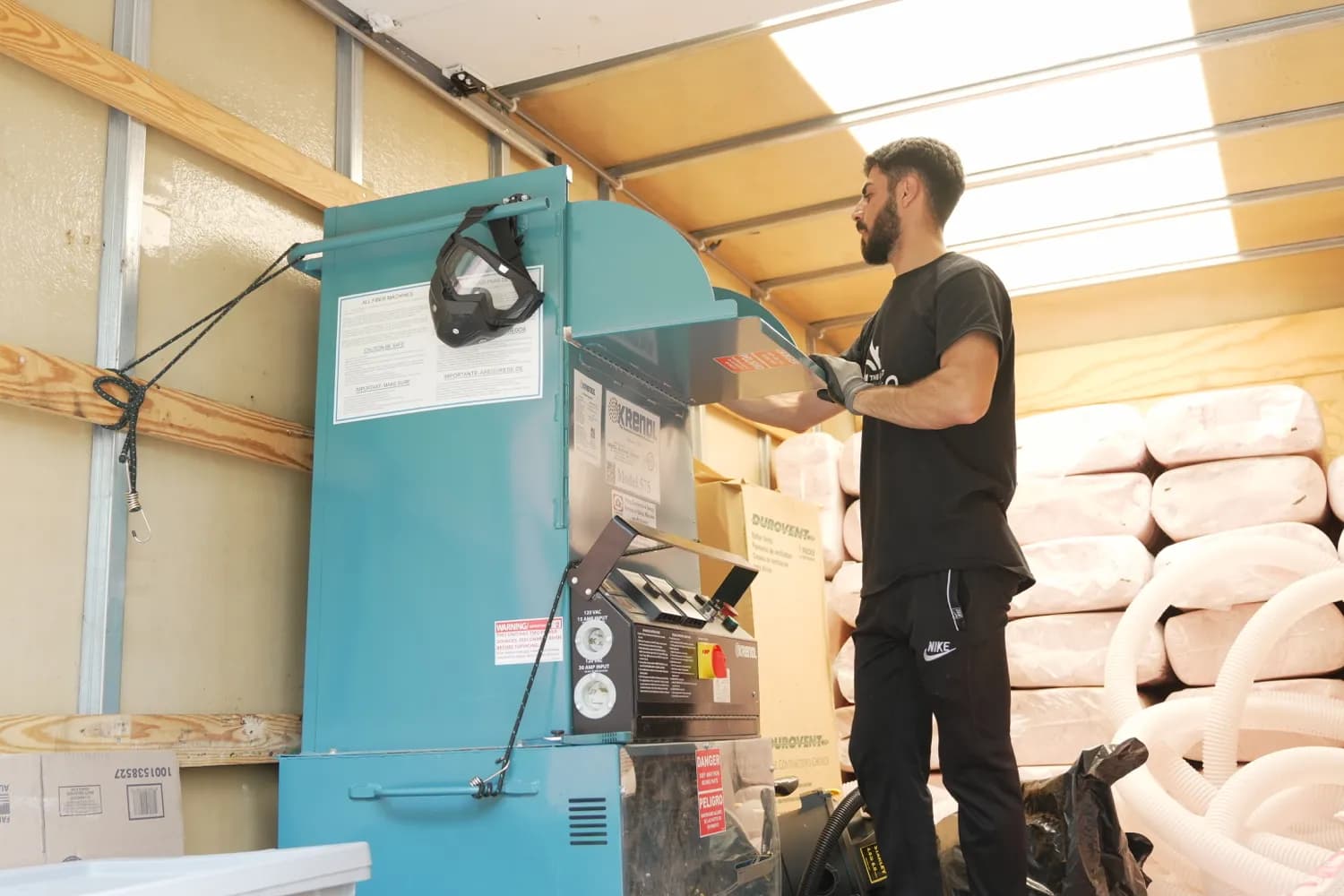
What we see in these homes
- Original attic insulation that has settled to a fraction of today's R-60
- Additions and second-storey conversions with unsealed transitions to the original roof
- Side-split levels that hold completely different temperatures
- Bathroom fans venting into the attic instead of outside
Our services in North York
Attic Insulation
Blown-in and batt top-ups to the recommended R-60 for GTA homes. Stop heat loss at the top.
Explore →Insulation Removal
Safe removal of old or contaminated insulation before we install new, high-performance material.
Explore →Basement Insulation
Rim joist and foundation wall systems that cut drafts and prevent moisture from below.
Explore →Wall Insulation
Dense-pack and injection insulation for existing walls — warmer rooms, quieter interiors.
Explore →Bathroom Fan Pipe
Exhaust ducts sealed, insulated and vented outside — the fix for attic moisture and ceiling mould.
Explore →Mould Removal
Attic and wall mould treated at the source, with the ventilation and air sealing that stop it returning.
Explore →Garage Insulation
Ceilings, shared walls and doors — so the room above the garage finally holds its temperature.
Explore →Commercial Insulation
Offices, shops, restaurants, clinics and industrial spaces — performance and noise control at scale.
Explore →Neighbourhoods we cover
Questions about this service
My North York bungalow was renovated — is the attic done?
Interior renovations rarely include the attic. We check depth and air sealing rather than assuming the work was covered.
Do you work on side-splits?
Often. The transitions between levels are usually where the heat is going, and they are easy to miss without an inspection.


