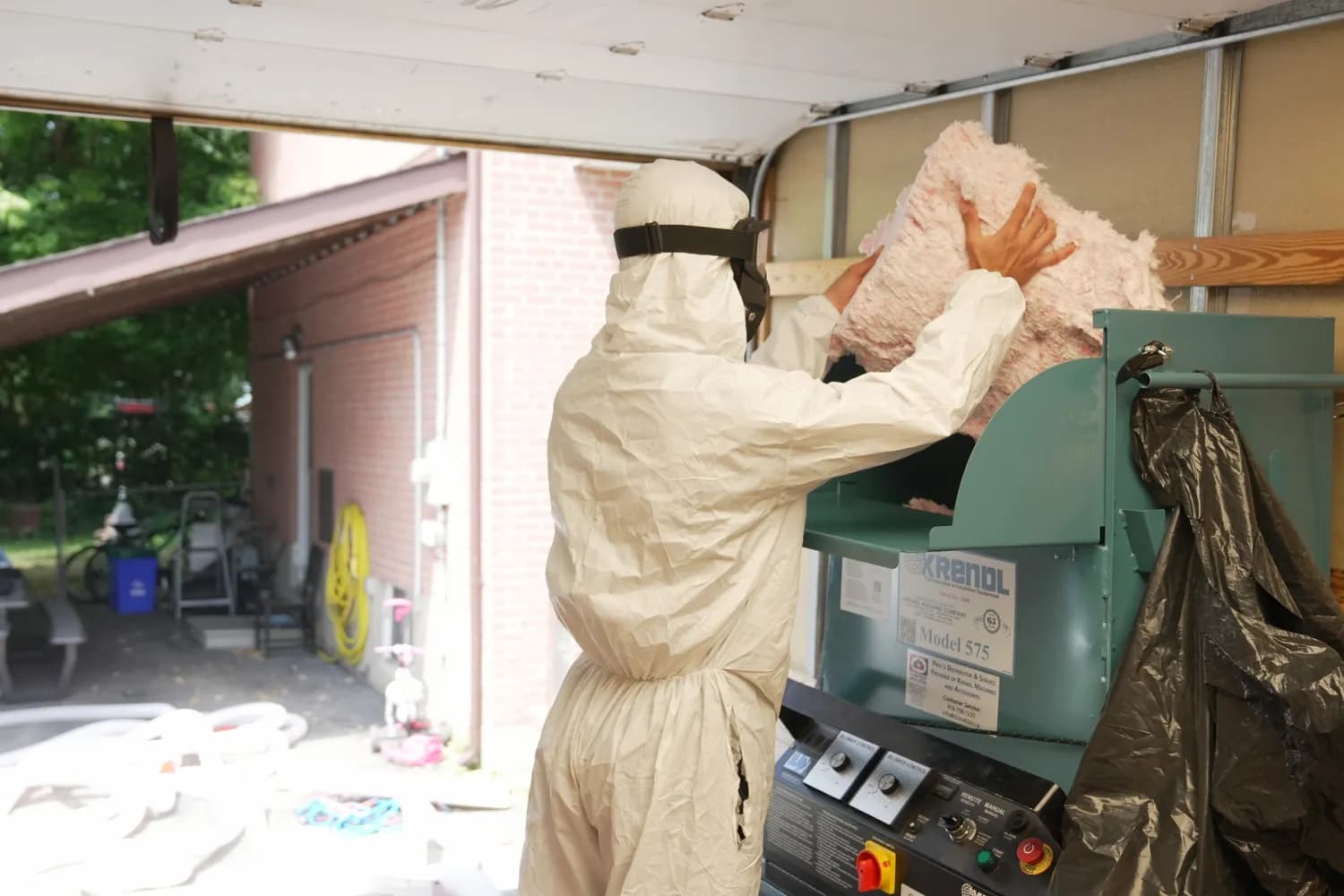
Basement Insulation in Toronto & the GTA
Foundation walls and rim joists insulated to stop the cold floors, drafts and condensation that make a basement unusable half the year.
What we see in these homes
- Cold floors on the main level above
- A basement that smells damp or feels clammy
- Condensation or frost on foundation walls
- A finished basement you avoid using in winter
How the job runs
Moisture check first
We look for water entry before insulating — sealing in moisture makes things worse.
Rim joist treatment
Sealed and insulated; this alone cuts a surprising share of total heat loss.
Wall system installed
Spray foam, rigid board or batt, chosen for the wall type and your finishing plans.
Finish-ready handover
Left clean and ready for framing or drywall if you are finishing the space.
Where basement heat actually goes
| Zone | Why it matters |
|---|---|
| Rim joists | The single biggest leak, and the cheapest to fix |
| Foundation walls | Largest surface area, drives the cold-floor feeling |
| Under-slab and floor edge | Only reachable during renovation |
| Cold cellar and walkout | Must be isolated from the heated space, not insulated the same way |
We treat the basement as one system. Doing the walls and leaving the rim joists open is the most common half-measure.
What we install
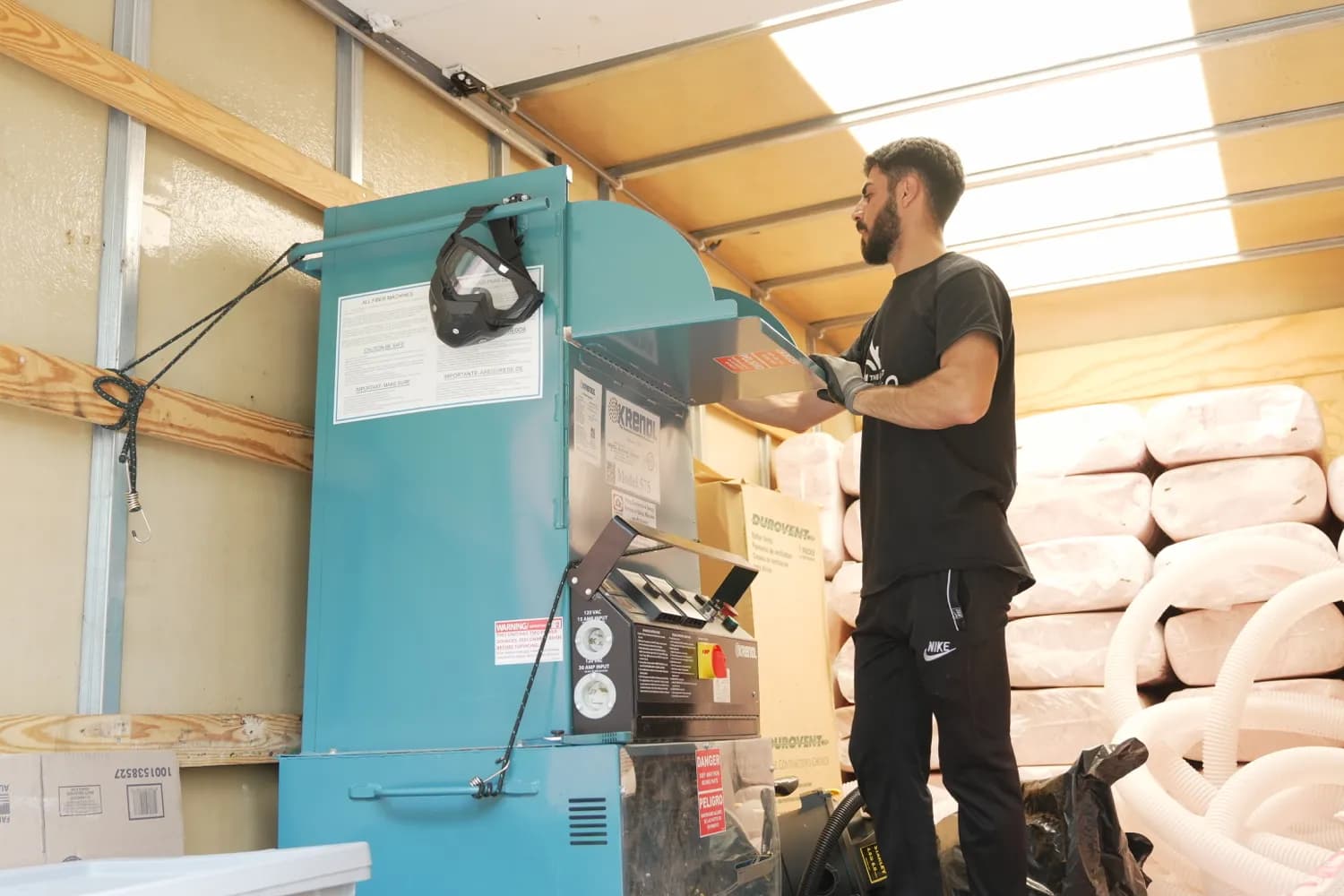
Closed-cell spray foam — insulates and controls vapour in one step
Rigid foam board — continuous coverage on flat foundation walls
Batt insulation within a framed assembly

Questions about this service
Can you insulate a finished basement?
Sometimes, but access is limited. We will tell you honestly what can be done without opening walls.
Will insulation cause mould?
Only if it traps moisture. That is why we check for water entry before proposing a system.
Is it worth doing just the rim joists?
For many homes, yes — it is the cheapest meaningful improvement you can make down there.


