Insulation Removal in Toronto & the GTA
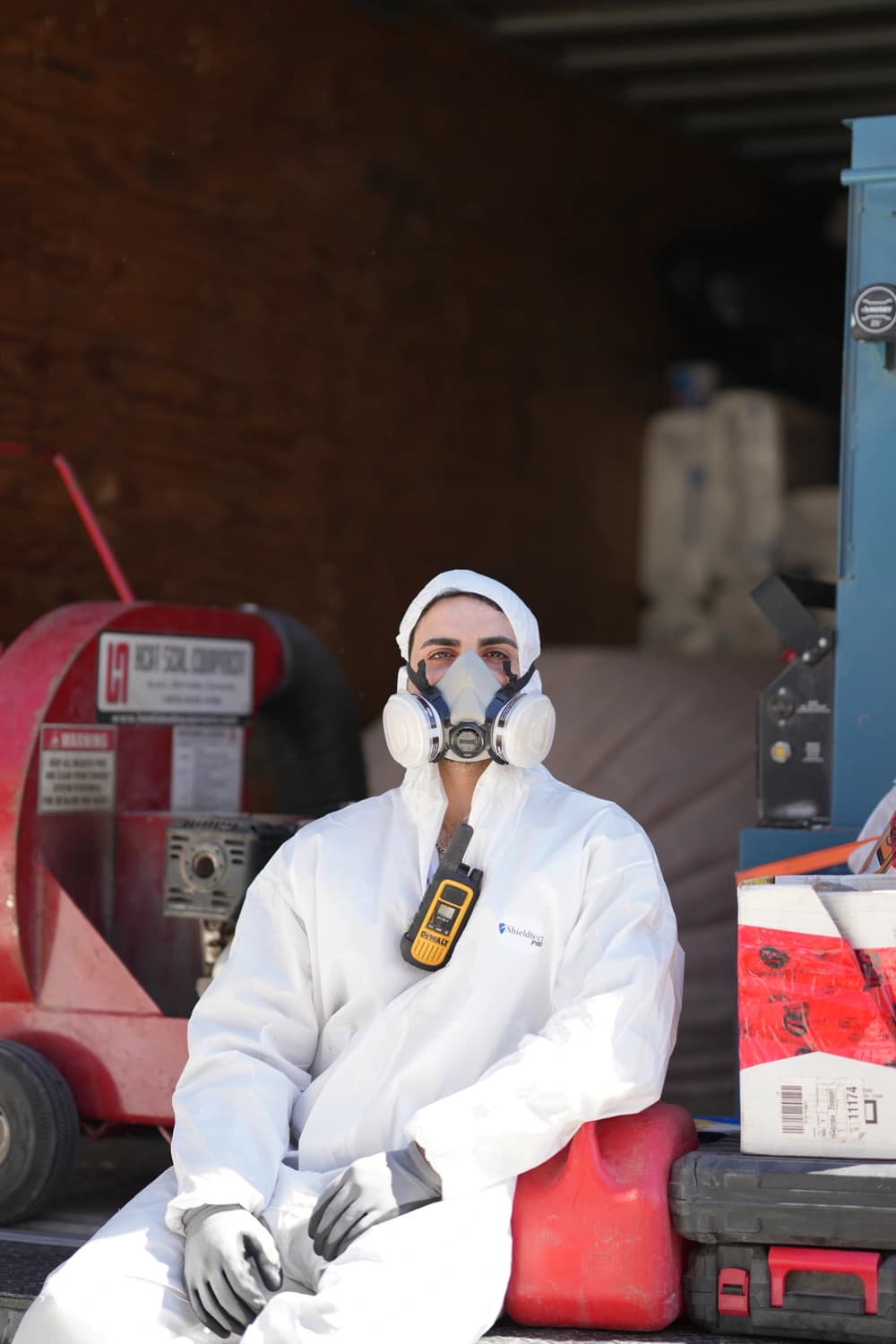
Vacuum removal of old, wet, rodent-damaged or contaminated insulation — contained, bagged and disposed of without spreading dust through your home.
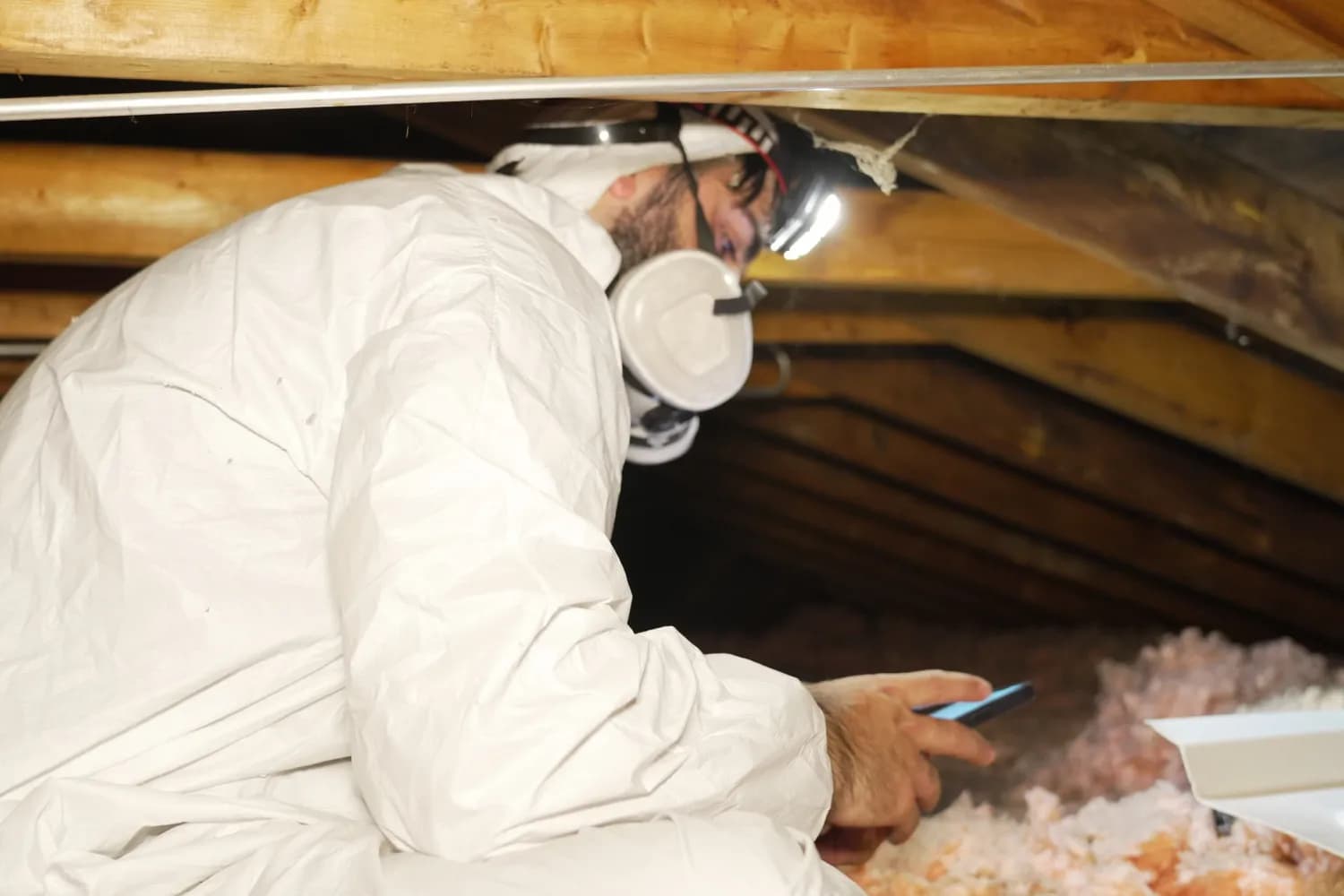
What we see in these homes
- A musty or ammonia smell coming from the attic
- Droppings, nesting material or chewed insulation
- Water staining after a roof leak
- Grey, matted material that has lost its loft
How the job runs
Containment
Walkways and access points protected before anything is disturbed.
Vacuum extraction
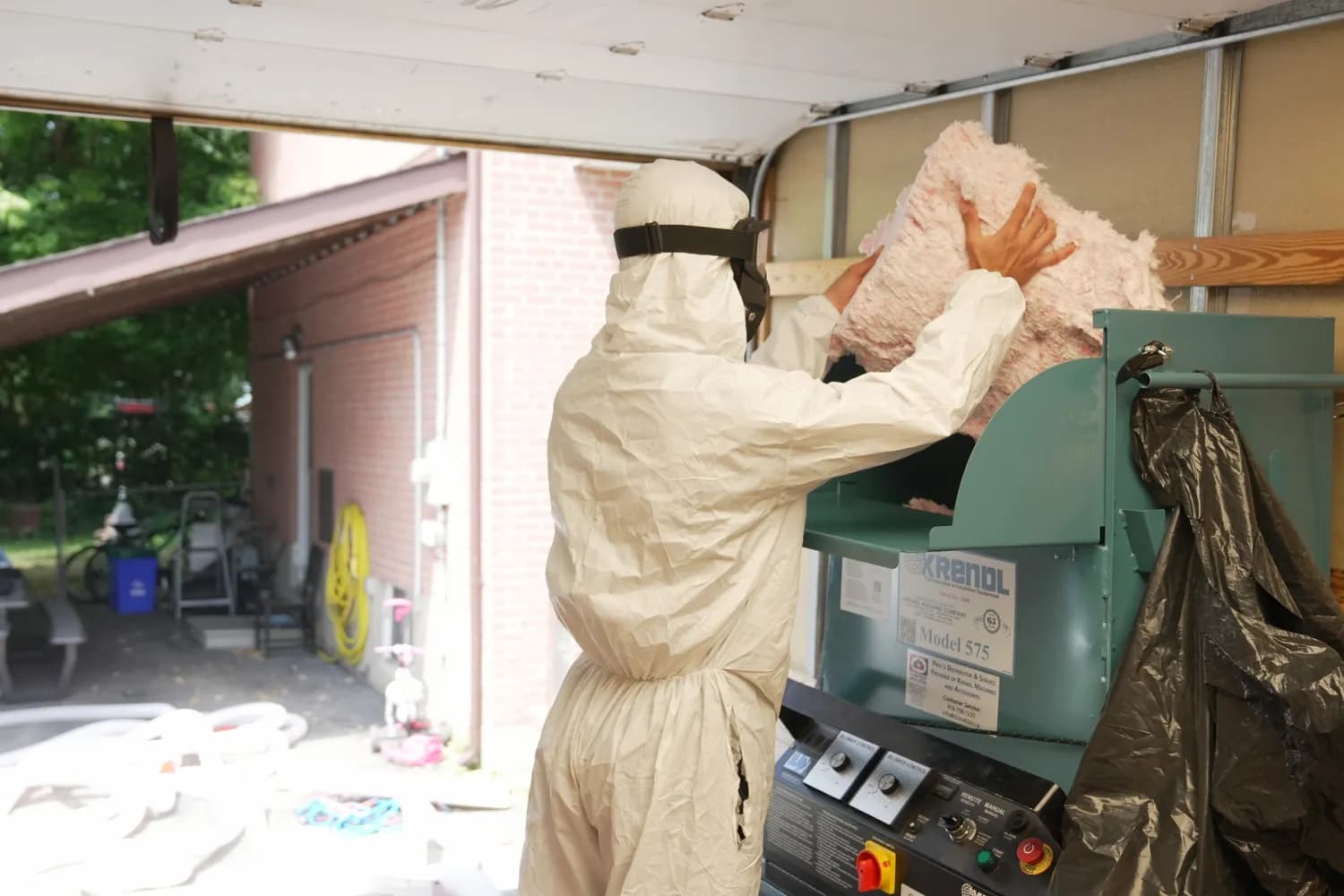
Material drawn directly into sealed bags through hose runs to the truck.
Surface clean-down
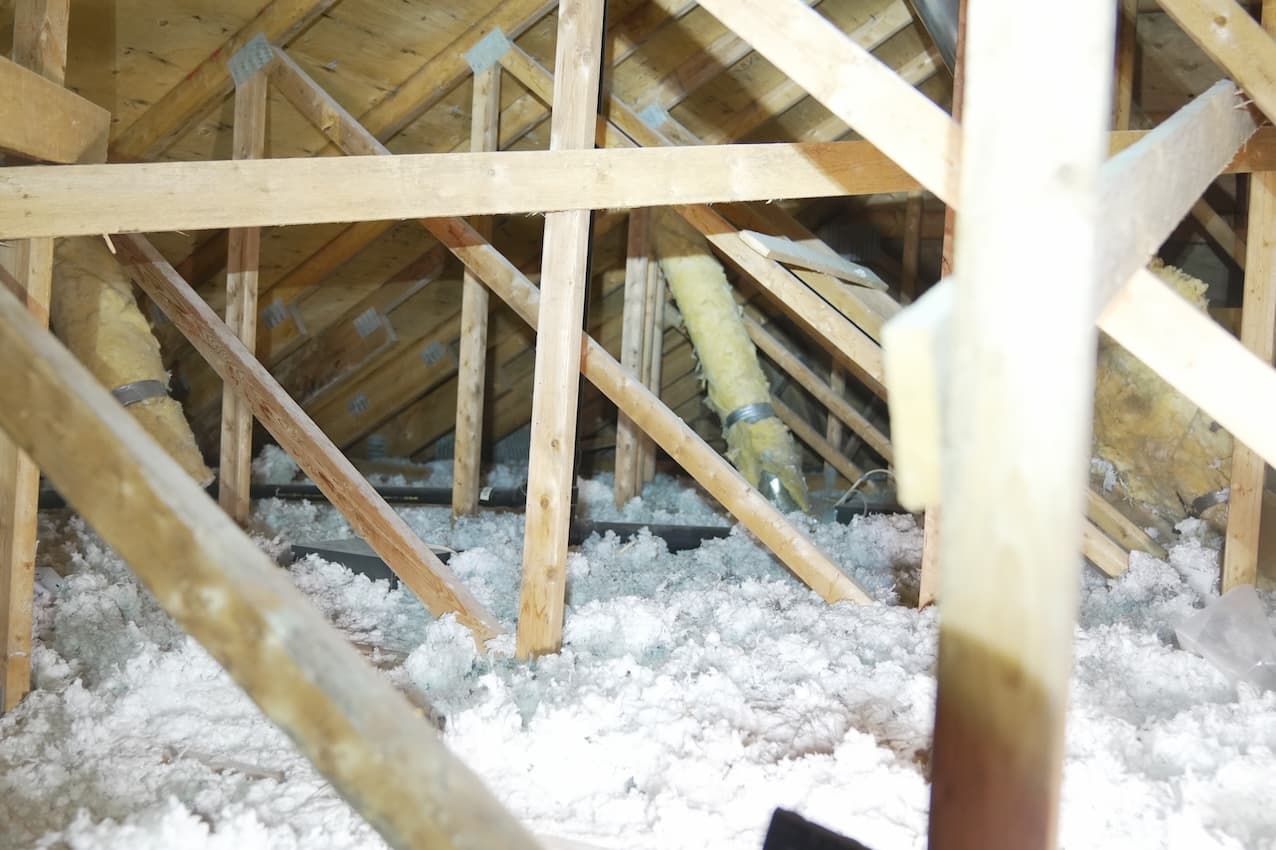
Joists and decking cleared of residue; sanitizing where contamination was found.
Handover or re-insulate
You get photos of the cleared space — new insulation can follow the same visit.
How we decide: removal or top-up
| What we find | What we recommend |
|---|---|
| Dry, loose, clean material | Top-up — removal would be cost without benefit |
| Moisture staining or mould | Full removal, then treat the cause |
| Rodent activity or nesting | Full removal and sanitising |
| Spray foam planned | Removal — foam needs a clean substrate |
Removal costs more and takes longer, so it has to be justified by what is actually up there — not sold by default.
What we install
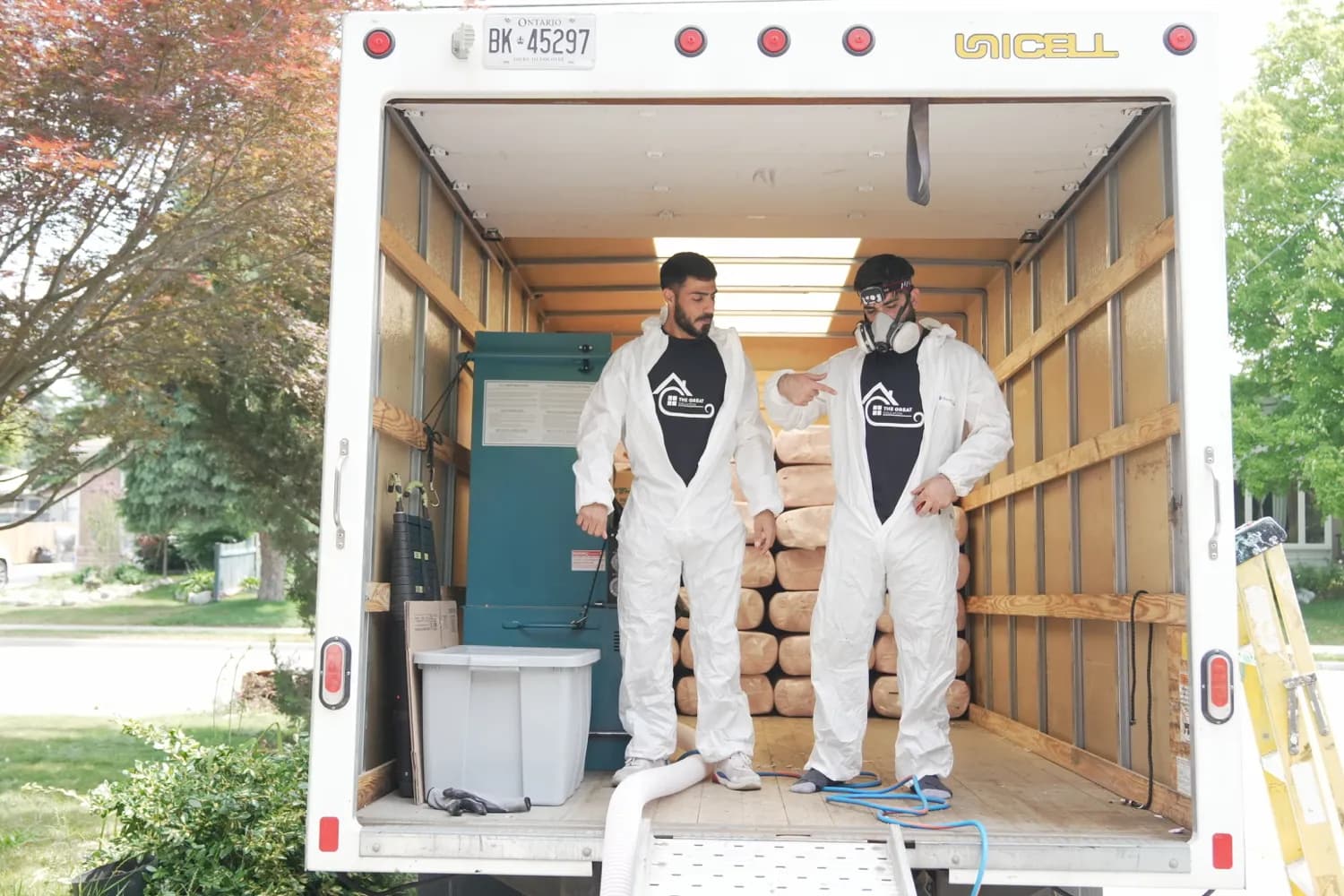
Sealed disposal bags and HEPA-rated equipment
Sanitizing products appropriate to the contamination found
Protective sheeting for interior pathways
Attic insulation removal, filmed on the job
No stock footage. This is our own crew in a Greater Toronto attic: the old insulation vacuumed out through a hose run to the truck, and the deck left clean and ready for new material.

The video loads from YouTube only when you press play.


Questions about this service
Do I have to leave the house?
Usually not. The work is contained to the attic and the extraction hose runs directly outside.
Is removal always necessary?
No. It is necessary when material is wet, contaminated or badly degraded. If it is sound, we will tell you that a top-up is enough.
What about mould on the sheathing?
That is a moisture problem, not an insulation problem. We treat it and correct the source — see our mould work.