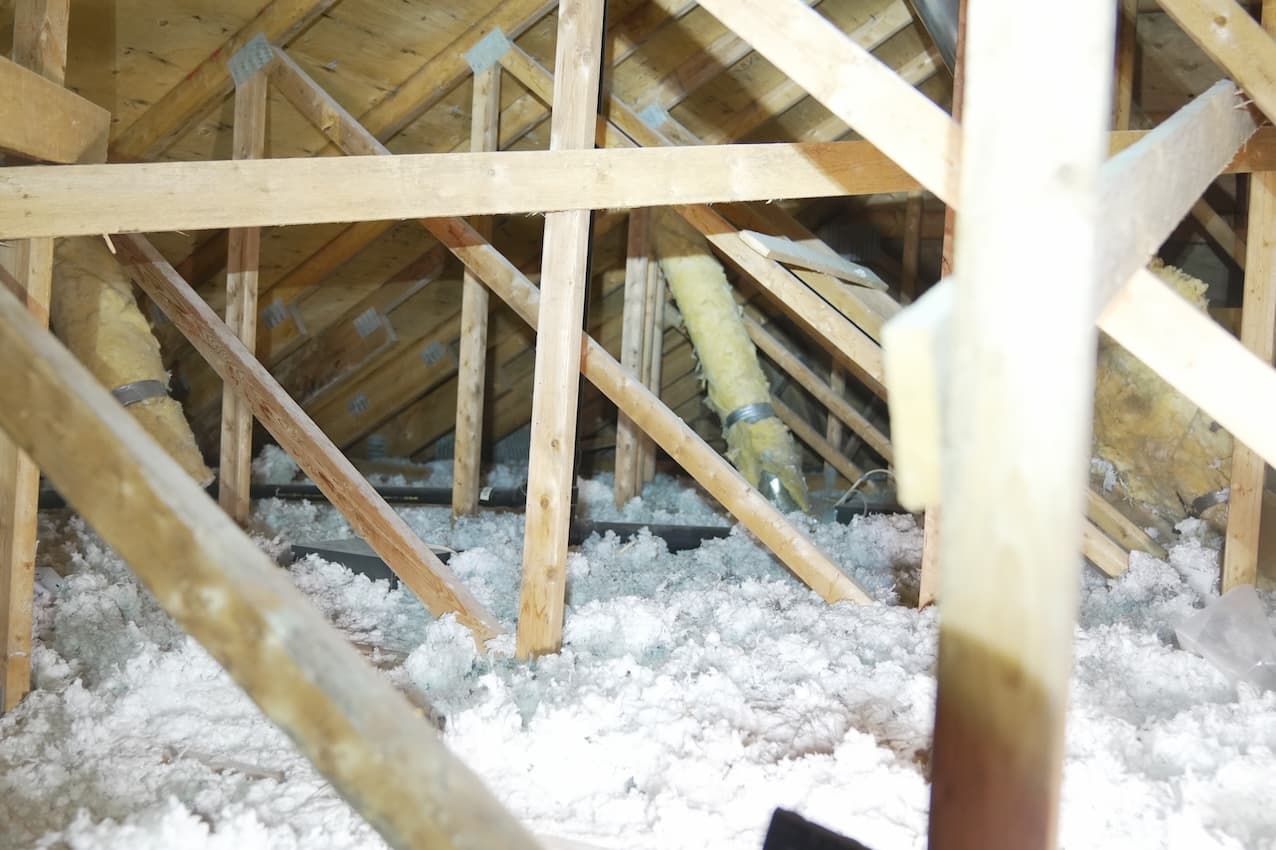
Bathroom Fan Venting in Toronto & the GTA
Bathroom exhaust ducts sealed, insulated and vented directly outside — the fix for attic moisture, winter frost buildup and the mould that follows.
What we see in these homes
- The fan runs but the mirror still fogs
- Frost or water staining on attic sheathing above the bathroom
- A duct that ends in the attic instead of at a vent cap
- Mould appearing on the bathroom ceiling
How the job runs
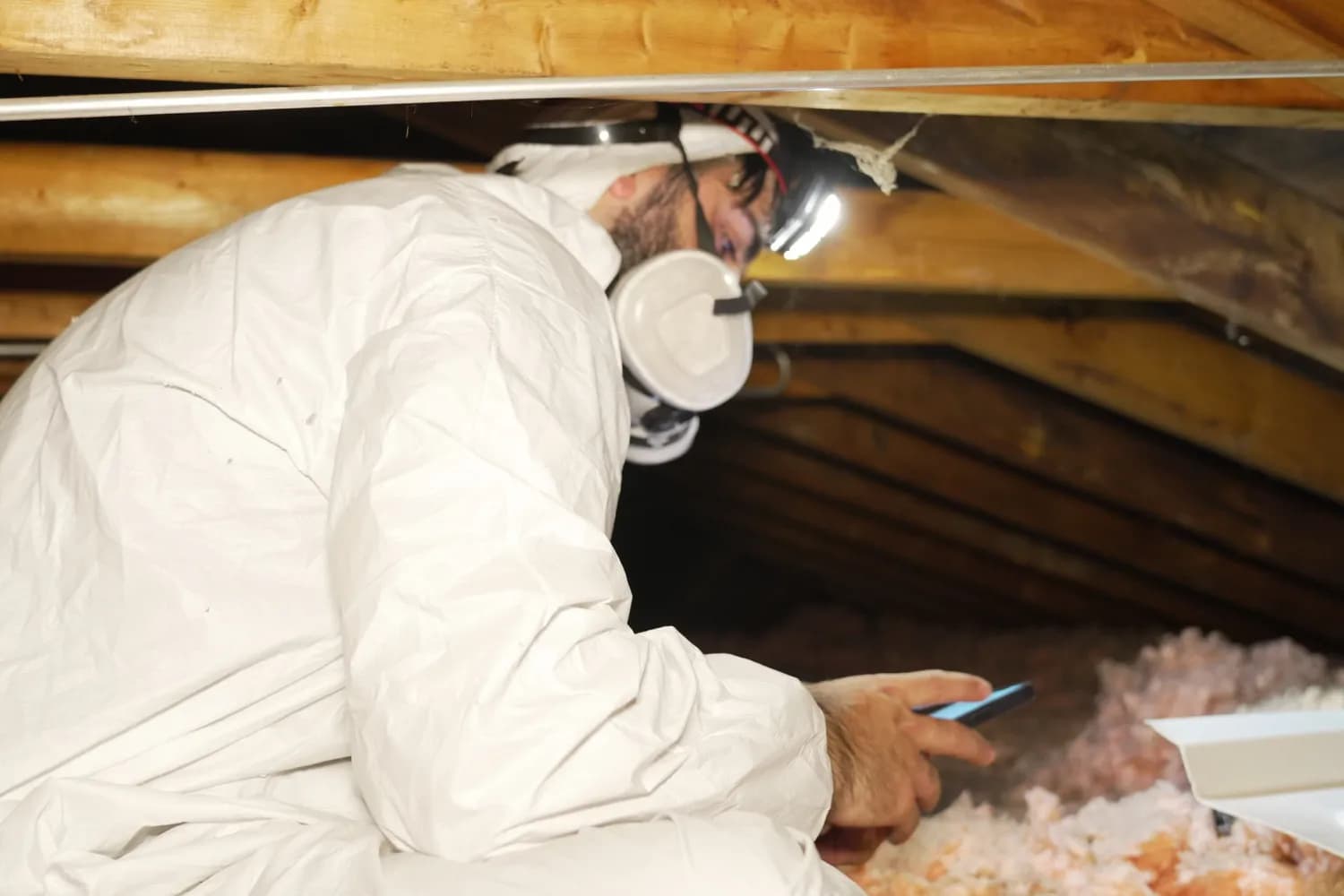
Duct inspection
We trace the duct from the fan to where it actually terminates.
Correct routing
The shortest practical run to an exterior cap, with no low spots to collect water.
Insulated and sealed
R-rated insulated duct, sealed joints, and spray foam or wrap wherever condensation forms.
Airflow verified
We confirm the fan genuinely moves air outside before we leave.
What the code requires
| Requirement | What that means on site |
|---|---|
| Terminates outside | Roof or sidewall cap, never into the attic or soffit |
| Insulated duct | R-rated duct so warm air does not condense inside it |
| Sealed joints | Foil tape or mastic, not fabric tape |
| No low spots | A sagging run collects water and eventually blocks |
Venting a bathroom fan into the attic is a code violation and the most common cause of attic mould we find.
What we install
Insulated flexible duct rated for exhaust use
Roof or sidewall vent caps with backdraft dampers
Foil tape, mastic and spray foam for sealing penetrations
Questions about this service
Why can't the fan vent into the attic?
Because it dumps warm, humid air into a cold space. That is a building code violation and the most common cause of attic mould we see.
Do you replace the fan itself?
We can advise on the fan, but our scope is the duct, the insulation and the exterior termination.
Will this stop the mould on my bathroom ceiling?
It removes the cause. Existing mould is treated under our mould removal service.


